
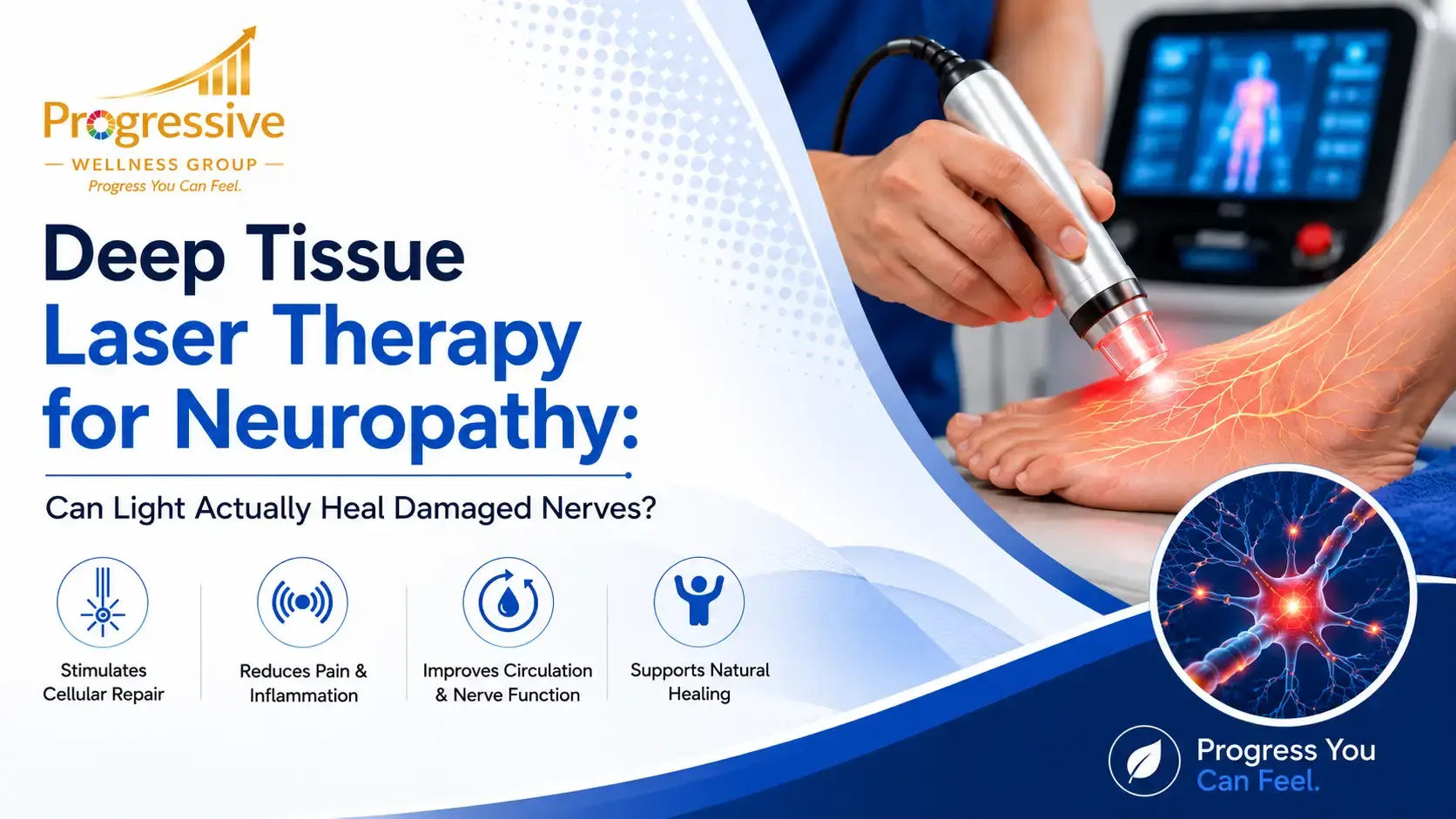
Neuropathy often starts with mild tingling or numbness but can gradually progress to burning pain, weakness, poor balance, and difficulty with everyday activities. While medications may help reduce discomfort, they usually don’t address the underlying inflammation, reduced circulation, and impaired healing that contribute to ongoing nerve damage.
As a result, many people are exploring deep tissue laser therapy as a non-invasive treatment option that supports the body’s natural recovery process rather than simply masking symptoms. Research has also highlighted the potential of photobiomodulation therapy to stimulate cellular activity and improve tissue repair.
This blog explains how laser therapy may fit into a comprehensive approach to managing neuropathy and what current evidence suggests about its benefits.
What is Neuropathy?
Neuropathy occurs when the peripheral nerves, which carry signals between the brain, spinal cord, and the rest of your body, become damaged. When these nerves cannot transmit signals properly, the brain may misinterpret them, leading to pain, tingling, numbness, weakness, or changes in sensation even without an obvious injury.
Unlike temporary nerve irritation, such as a pinched nerve that often resolves on its own, chronic neuropathy involves ongoing nerve damage that typically requires comprehensive neuropathy treatment. Depending on the underlying cause, treatments such as laser therapy for neuropathy may be recommended alongside rehabilitation to help reduce pain and support nerve healing.
Common Symptoms of Neuropathy
- Burning Pain: A persistent burning or aching sensation, especially in the feet or hands, that often becomes more noticeable at night.
- Tingling or “Pins and Needles”: Many people experience a prickling or buzzing sensation that may come and go or gradually become constant.
- Numbness: Reduced feeling in the hands or feet can make it difficult to detect temperature changes, pressure, or minor injuries.
- Muscle Weakness: Damaged nerves can affect muscle function, making everyday activities like climbing stairs, gripping objects, or walking more challenging.
- Poor Balance and Coordination: Loss of sensation in the feet can reduce stability and increase the risk of trips and falls.
- Increased Sensitivity to Touch: Even light contact from clothing, blankets, or a gentle touch may trigger discomfort or pain.
Common Causes of Neuropathy
- Diabetes: High blood sugar levels can damage nerves over time, making diabetes the leading cause of peripheral neuropathy.
- Chemotherapy and Certain Medications: Some cancer treatments and medications can injure peripheral nerves, leading to temporary or long-term symptoms.
- Physical Injuries: Trauma, repetitive stress, or compressed nerves from conditions such as herniated discs can disrupt normal nerve function.
- Autoimmune Disorders: Conditions like rheumatoid arthritis and lupus can cause the immune system to mistakenly attack healthy nerves.
- Vitamin Deficiencies: Low levels of essential nutrients, particularly B vitamins, can interfere with nerve health and repair.
- Chronic Alcohol Use: Long-term alcohol consumption may damage nerves directly while also contributing to nutritional deficiencies.
- Idiopathic Neuropathy: In some cases, the exact cause of nerve damage cannot be identified despite thorough evaluation.
Why Damaged Nerves are Challenging to Heal
Nerve recovery is a complex process because nerve tissue doesn’t repair itself as quickly as skin, muscles, or other parts of the body. When nerves are damaged, several biological factors can slow down the healing process and make symptoms more persistent.
Limited Blood Flow Slows Nerve Repair
Healthy nerves need a steady supply of oxygen and nutrients to function and recover. Reduced circulation can limit the resources needed for tissue repair and may contribute to ongoing nerve discomfort.
Chronic Inflammation Can Irritate Nerves
When inflammation continues for a long period of time, it can create an environment that keeps irritating already-sensitive nerves. Managing inflammation is often an important part of supporting nerve health.
Oxidative Stress Damages Nerve Cells
Oxidative stress occurs when harmful molecules outnumber the body’s ability to neutralize them. Over time, this imbalance can affect healthy cells and interfere with normal repair processes.
Compression Creates Ongoing Pressure
Nerves can also be affected when surrounding tissues place continuous pressure on them. Conditions such as injuries or spinal issues may restrict nerve function and delay recovery.
Aging can Slow the Healing Process
As the body ages, natural repair mechanisms may become less efficient. This can make nerve regeneration slower and increase the time needed to see improvement.
Unlike minor injuries, nerve recovery can take months and requires the right conditions for healing. Treatments such as deep tissue laser therapy focus on supporting circulation, reducing inflammation, and promoting the body’s natural repair processes as part of a comprehensive care approach.
What is Deep Tissue Laser Therapy?
Deep tissue laser therapy is a non-invasive treatment that uses a Class IV therapeutic laser to deliver specific wavelengths of light deep into the body’s tissues. Unlike cosmetic lasers used for procedures such as skin resurfacing or hair removal, therapeutic lasers are designed to reach deeper structures and support pain management, circulation, and tissue recovery.
This advanced approach, also known as cold laser therapy or light-based therapy, works by stimulating cellular activity in the targeted area. It may help reduce inflammation, improve blood flow, and create a better environment for the body’s natural healing processes.
Deep Tissue Laser Therapy vs. Cosmetic Lasers: A Quick Comparison
| Cosmetic Lasers | Deep Tissue Laser Therapy |
| Designed for skin and beauty treatments | Designed for medical and therapeutic applications |
| Targets surface-level tissues | Reaches deeper tissues beneath the skin |
| Used for aesthetic procedures | Used to support pain relief and tissue healing |
While laser therapy for neuropathy may help manage symptoms and support nerve health, it’s important to understand that it’s not a guaranteed nerve regeneration treatment. At Progressive Wellness Group, laser therapy is incorporated as part of a comprehensive care plan to help reduce discomfort, address inflammation, and support overall wellness.
How Does Laser Therapy Work on Damaged Nerves?
Laser therapy for neuropathy works by using targeted light energy to support the body’s natural healing processes. The treatment doesn’t force damaged nerves to repair instantly, but it helps create a healthier environment where cells can function more effectively and recover.
The process involves several key steps:
Step 1: Light Energy Reaches Affected Tissues
The therapeutic laser delivers specific wavelengths of light into the targeted area, reaching tissues beneath the skin where nerve irritation and inflammation may occur.
Step 2: Cells Absorb Light Energy
During photobiomodulation therapy, cells absorb photons from the laser light. This interaction triggers biological responses that support normal cellular activity and repair processes.
Step 3: Cellular Energy Production Increases
The stimulated cells produce more adenosine triphosphate (ATP), the energy source cells need to perform essential functions, including repair and maintenance.
Step 4: Circulation and Oxygen Delivery Improve
Better blood flow helps deliver oxygen and nutrients to the treated area, providing tissues with resources needed for recovery.
Step 5: Inflammation May Decrease
By supporting cellular activity and circulation, laser therapy may help reduce inflammatory responses that contribute to nerve discomfort.
Step 6: Pressure on Irritated Nerves May Be Reduced
As inflammation and swelling decrease, surrounding tissues may place less pressure on sensitive nerves, which can help improve comfort.
Step 7: Pain Signals May Become Less Intense
With reduced irritation, some patients may experience decreased pain sensitivity and improved mobility over time.
Understanding the Process
Laser Energy
↓
Cellular Stimulation
↓
Increased Cellular Energy (ATP)
↓
Improved Circulation
↓
Reduced Inflammation
↓
Less Nerve Irritation
↓
Improved Comfort and Function
In simple terms, laser therapy helps support the conditions nerves need to function better. Rather than directly “repairing” nerves on its own, it works by encouraging cellular activity, improving circulation, and addressing factors that may slow the healing process. When combined with a personalized care plan, it can be a valuable option for people exploring non-invasive approaches to neuropathy management.
Can Deep Tissue Laser Therapy Heal Damaged Nerves?
When it comes to nerve damage, it is important to separate realistic benefits from exaggerated claims. Research suggests that deep tissue laser therapy may help support nerve health by reducing inflammation, improving circulation, and stimulating cellular activity that contributes to the body’s natural repair processes.
What Research Suggests About Laser Therapy
Studies have shown that laser-based treatments may help people with neuropathy experience improvements in areas such as:
- Reduced nerve-related pain and discomfort
- Improved circulation around affected tissues
- Lower inflammation that may contribute to nerve irritation
- Better mobility and daily function
- Support for cellular repair and recovery
For individuals exploring laser therapy for neuropathy, these potential benefits make it an appealing non-invasive option when included as part of a comprehensive treatment plan.
Setting Realistic Expectations
While laser therapy may support the healing environment, it’s not an instant cure or a guaranteed method to fully regenerate damaged nerves. Results can vary depending on several factors, including:
- The underlying cause of neuropathy
- The severity and duration of nerve damage
- Overall health and healing ability
- Consistency of treatment and supportive care
Clinical research, particularly involving painful diabetic peripheral neuropathy, has shown promising improvements in pain levels and quality of life. However, researchers continue to study how consistently these benefits apply across different types of neuropathy.
The most accurate way to view laser therapy is as a treatment that supports the body’s natural healing processes rather than a solution that instantly rebuilds damaged nerves. By improving the conditions surrounding affected nerves, it may help reduce symptoms, improve comfort, and support better function over time.
What Research Says about Laser Therapy for Neuropathy
Research on laser therapy for neuropathy continues to grow, and current findings show promising results for symptom management and improved quality of life. While more studies are needed to determine the ideal treatment protocols and long-term outcomes, many studies report positive effects related to pain reduction, circulation, and overall function.
Key Findings from Current Research
Studies involving cold laser therapy and other therapeutic laser approaches have reported potential benefits, including:
- Reduced Nerve Pain: Many patients experience decreased discomfort and improved symptom control.
- Improved Mobility: Lower pain levels may make daily movement and activities easier.
- Better Quality of Life: Managing persistent neuropathy symptoms can improve sleep, comfort, and daily routines.
- Reduced Inflammation: Laser treatments may help support a healthier environment around irritated tissues.
- Positive Results for Diabetic Neuropathy: Research has shown encouraging outcomes for individuals experiencing nerve pain related to diabetes.
Understanding the Limitations of Current Research
Although results are encouraging, laser therapy isn’t considered a guaranteed cure for neuropathy. Researchers are still studying the best treatment settings, how long benefits last, and which patients may respond most effectively.
The current evidence supports viewing laser therapy as a supportive treatment option rather than a standalone solution. Its combination of potential benefits, non-invasive approach, and generally low risk of side effects makes it a valuable addition to a comprehensive neuropathy care plan.
Conditions that may Benefit from Deep Tissue Laser Therapy
While deep tissue laser therapy is commonly explored for neuropathy-related symptoms, it may also support individuals experiencing other conditions involving nerve irritation, inflammation, or pain. The potential benefits can vary depending on the underlying cause and each person’s overall health.
| Condition | How Laser Therapy May Help |
| Diabetic Neuropathy | May help reduce burning sensations, discomfort, and nerve-related pain. |
| Peripheral Neuropathy | May support improved comfort and help manage ongoing symptoms. |
| Chemotherapy-Induced Neuropathy | May assist with managing nerve pain and sensitivity caused by certain treatments. |
| Sciatica | May help reduce inflammation and irritation affecting the sciatic nerve. |
| Pinched Nerves | May support pain relief by addressing inflammation around compressed nerves. |
| Post-Surgical Nerve Pain | May promote a healthier healing environment following nerve-related discomfort after surgery. |
It’s important to remember that results can vary, and laser therapy is typically used as part of a personalized care approach rather than a one-size-fits-all solution.
What Happens During a Deep Tissue Laser Therapy Session?
If you are considering laser therapy for neuropathy, understanding the treatment process can help you feel more comfortable and prepared. Each treatment plan begins with an evaluation to review your symptoms, medical history, and wellness goals. Based on this assessment, a provider creates a personalized approach designed around your specific needs.
During the Treatment
During a session, a handheld laser device is gently moved over the targeted treatment area while you relax in a comfortable position. The laser delivers therapeutic light energy to the tissues without the need for injections or invasive procedures.
Most sessions typically last about 10 to 20 minutes, depending on the size and location of the area being treated. Many patients report feeling a mild warming sensation during treatment, but the process is generally comfortable and painless.
After the Session
One of the advantages of cold laser therapy and other non-invasive laser treatments is that there is typically no recovery period. Most people can return to their normal daily activities immediately after a session.
Treatment schedules often involve multiple sessions over several weeks because the body’s cellular response develops gradually. Throughout the process, providers may monitor changes in pain levels, mobility, and symptoms to adjust the treatment plan and support the best possible outcomes.
When Will You Notice Results from Laser Therapy?
Nerve healing takes time, so results from laser therapy for neuropathy often develop gradually rather than appearing overnight. The timeline can vary based on the cause and severity of nerve damage, but many patients notice changes as their treatment progresses.
Typical Treatment Timeline
| Treatment Stage | What You May Experience |
| First Few Sessions | Some patients notice temporary pain relief, improved comfort, and better circulation in the treated area. |
| 2–4 Weeks | Tingling, burning sensations, and nerve-related discomfort may begin to improve for some individuals. |
| Completed Treatment Plan | Many patients experience improved mobility, better daily function, and longer-lasting symptom management. |
Individual results depend on factors such as the type of neuropathy, how long symptoms have been present, overall health, and consistency with the recommended treatment schedule. A personalized plan and regular progress monitoring can help support better outcomes.
Who is a Good Candidate for Laser Therapy?
Laser therapy may be a suitable option for individuals looking for a non-invasive approach to managing nerve-related discomfort, including those experiencing:
- Diabetic neuropathy
- Peripheral neuropathy
- Chronic nerve pain
- Ongoing symptoms despite medication
- A desire for non-surgical treatment options
However, laser therapy is not appropriate for everyone. Certain conditions, including active infections, specific cancers near the treatment area, pregnancy-related considerations, or other medical factors, may require additional evaluation. A thorough consultation with a healthcare provider can help determine whether this approach is right for you.
Laser Therapy vs. Other Neuropathy Treatments
Understanding how different treatment options compare can help you make a more informed decision.
| Treatment Option | Pain Relief | Inflammation | Non-Invasive | Recovery Time |
| Medication | Yes | Limited | Yes | None |
| Steroid Injections | Temporary | Yes | Minimally invasive | Minimal |
| Surgery | Sometimes | Depends on the procedure | No | Longer recovery |
| Deep Tissue Laser Therapy | Yes | Yes | Yes | None |
Unlike treatments that may require medications, injections, or recovery time, deep tissue laser therapy offers a non-invasive approach focused on supporting circulation, reducing inflammation, and improving comfort. It can also complement a broader neuropathy physical therapy plan designed to improve mobility, strength, and daily function.
Why Choose Progressive Wellness Group for Neuropathy Treatment
At Progressive Wellness Group, neuropathy care starts with understanding your unique symptoms, health history, and goals. Instead of following a standard approach, the team creates personalized treatment plans that may include advanced therapies such as deep tissue laser therapy to support pain relief, circulation, and overall nerve health.
With a focus on whole-person care, Progressive Wellness Group combines innovative treatments with expert guidance to help patients improve comfort, mobility, and quality of life.
If nerve pain, numbness, or tingling is affecting your daily activities, schedule a consultation with Progressive Wellness Group to discuss your symptoms and explore personalized care options. A professional evaluation can help determine whether this approach is right for your condition and guide you toward an effective neuropathy treatment plan.