

Many people experience bladder leakage when coughing, sneezing, laughing, or exercising. While this is often considered a normal part of aging or after childbirth, it is actually a sign of pelvic floor weakness.
The pelvic floor muscles support the bladder, uterus, and other organs. When these muscles become weak, it can lead to symptoms such as:
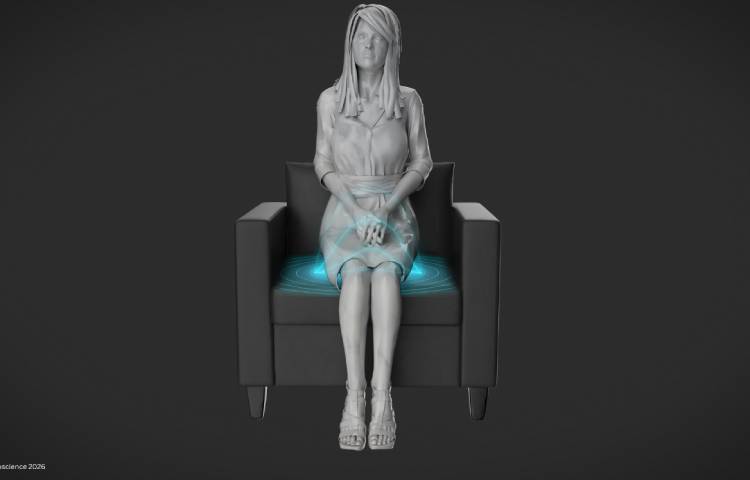
The pelvic floor is a group of muscles located at the base of the pelvis. These muscles support the bladder and help control urinary function.
Over time, these muscles may weaken due to:
When the pelvic floor muscles weaken, bladder control can become compromised.
These symptoms are common but not something you have to live with.
You may be a candidate for pelvic floor therapy if you experience:
Leaking when coughing or sneezing
Bladder leaks during exercise
Sudden urges to urinate
Frequent nighttime bathroom visits
Difficulty holding urine
Pelvic floor therapy works by stimulating and strengthening the muscles responsible for bladder control.
This treatment helps:
Over time, stronger pelvic floor muscles can lead to better bladder control and improved quality of life.
Patients often choose this treatment because it is:
Many patients begin noticing improvements in bladder control as pelvic floor strength improves.
Pelvic floor therapy may be helpful for individuals who:
A consultation at our clinic can help determine if this treatment is appropriate for you.
Sessions are typically done in 20 min sessions.
No, the treatment is not painful.
Treatment plans vary depending on individual needs.
Patients remain fully clothed during treatment.
Results vary from person to person. Many patients notice improved bladder control as their pelvic floor strength improves.
If you are experiencing incontinence or pelvic floor weakness, we invite you to schedule a consultation.
Our team will evaluate your symptoms and determine whether pelvic floor strengthening
therapy may be right for you.